
Gen Z and Millennial consumers are increasingly conscious of what they wear, particularly the energy use and waste generated by the textile industry. With around 13 million tons of textile waste produced each year and only 1% of it recycled back into clothing, Neela is embracing regenerated fibres as a key solution to reduce environmental impact and move denim towards a more circular future.
Why Regenerated Fibres Matter for Denim's Future
Regenerated fibres allow post-consumer waste and by-products to be transformed into high-quality denim fabrics. By upcycling discarded materials, Neela aims to minimise landfill waste, reduce dependency on virgin resources, and lower the overall footprint of denim production. This approach aligns with the growing demand for responsible fashion that is both stylish and sustainable.
"Regenerated fibres enable us to turn waste into a resource, creating denim that respects both the wearer and the environment."
Key Achievements
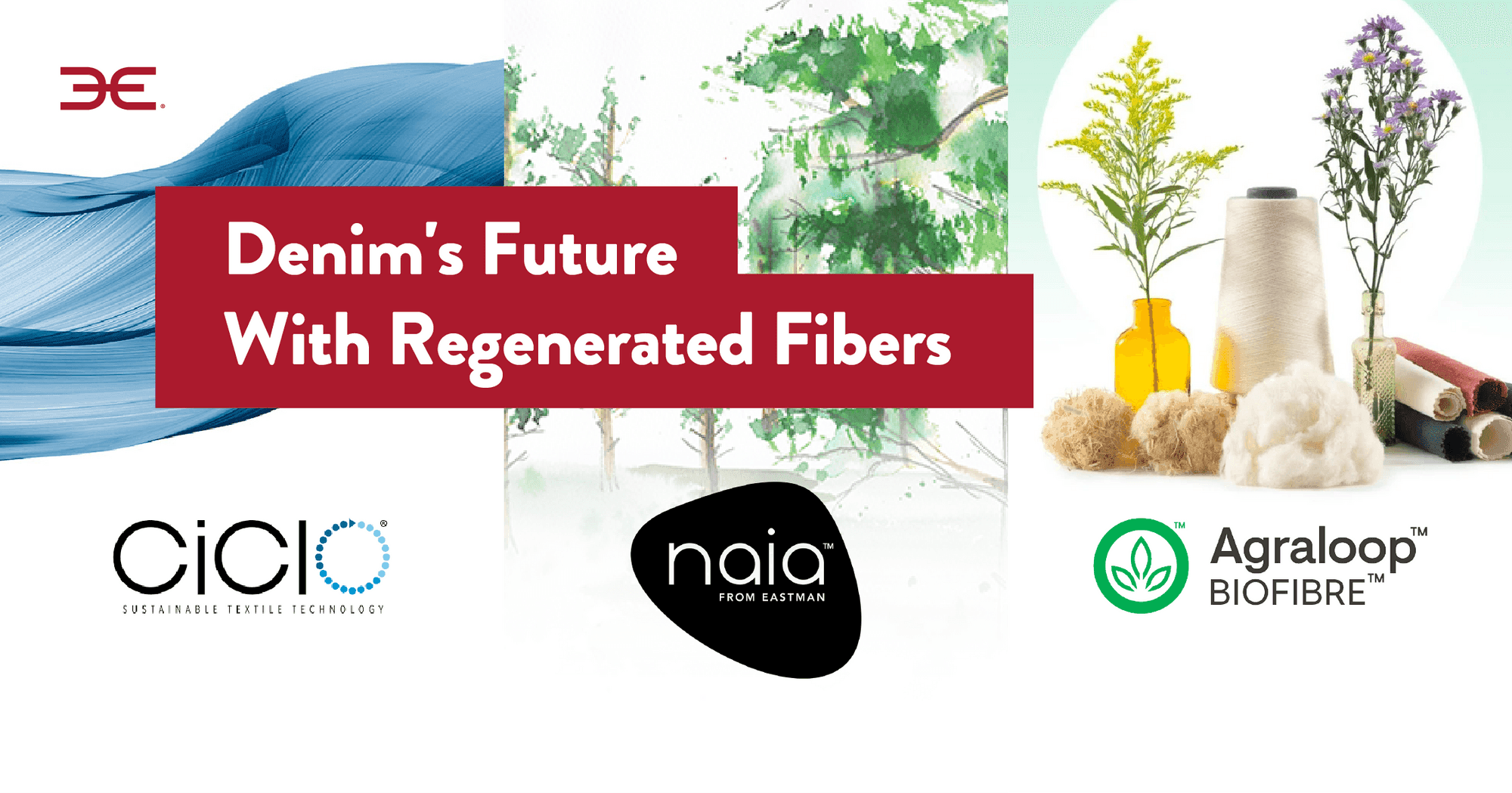
- ›Integrated CiCLO® technology into select nylon and polyester-based denim blends to support improved end-of-life biodegradation.
- ›Expanded fabric offerings that incorporate Naia™ wood-cellulose fibre with a focus on traceability and responsible sourcing.
- ›Introduced denim qualities made with Agraloop™ fibre derived from agricultural by-products such as food and medicine crops.
- ›Promoted upcycling by transforming post-consumer and post-industrial inputs into regenerated fibre-based fabrics.
- ›Raised awareness among brand partners and customers about the role of regenerated fibres in circular and low-impact denim.
Looking Forward
Neela aims to further increase the share of regenerated fibres across its denim portfolio, scaling collaborations with innovators like CiCLO®, Naia™, and Agraloop™. By continuously exploring new fibre technologies and circular design strategies, the company seeks to reduce waste, conserve resources, and make regenerated fibre-based denim a mainstream choice for future generations.